Case study — television & branded entertainment
The show we planned became impossible to produce. So we built a better one.
A series about animal rescue was weeks from production when the format stopped being possible. The emergency redesign became the permanent show — and ran for more than 50 episodes.
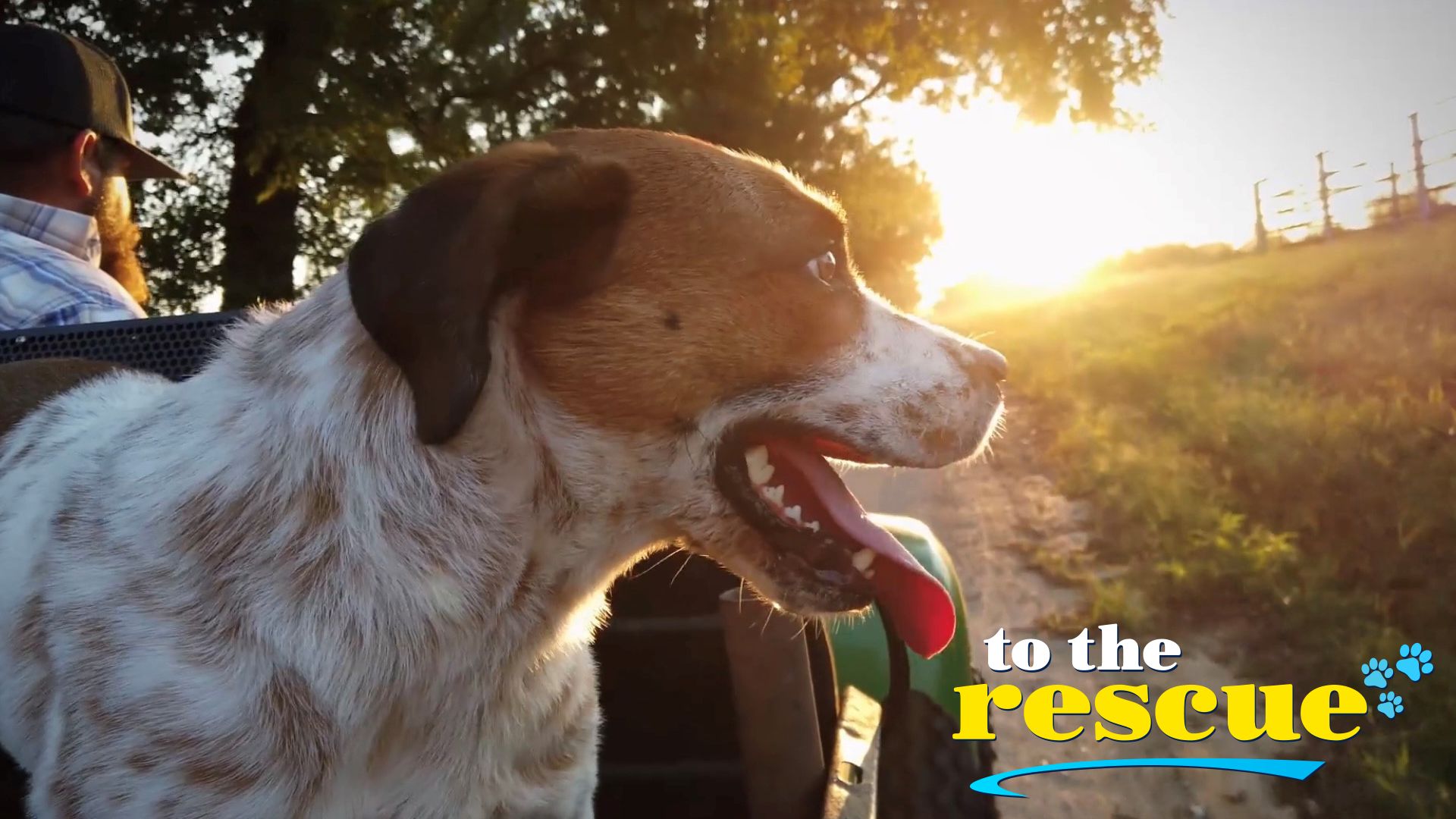
Role
Line Producer, credited — with responsibility across development, field production, post and delivery
Format
Host-led half-hour, nationally syndicated
Partners
Pedigree, Chrysler and other brand integrations
Outcome
~80% national clearance, 50+ episodes, Silver Telly Awards three years running, streaming on four platforms.
Finding the real premise
The series began while we were actively developing new television concepts. We had met an animal rescuer whose work seemed like the basis for an interesting docu-follow.
But the deeper we went into the rescue world, the clearer it became that the original premise was too narrow. One person couldn't carry the entire show. The world around her could.
I proposed pivoting into a host-led format that could follow individual dogs from shelters through rescue, rehabilitation, foster care and ultimately adoption. I worked on the project from its earliest concept through every iteration that followed — developing the format, managing production, and recutting the pilot into the version used to pitch the series.
Then, just as we were preparing to produce it, everything changed.
April 2020
The series was scheduled to enter production in April 2020. COVID stopped it. And the air date didn't move.
Lost spring
The format depended on following animals for weeks or months. Losing the spring meant those stories couldn't start and still finish in time.
Restricted access
Sending conventional crews repeatedly into shelters, homes and rescue facilities was no longer practical.
Fixed delivery
The committed air date stayed exactly where it was.
The series we had sold could not be produced the way we had designed it.
Rebuilding the format
In June, I went back to the basic question: what was essential about the show, and what was simply the way we had planned to produce it?
The mission wasn't to document a particular production process. It was to show audiences the work rescue organizations were doing, and give them the emotional experience of seeing animals transformed. So I rebuilt the production model around those two things.
Original model
- Follow individual animals over weeks or months
- Repeat visits to shelters, foster homes and clinics
- Conventional field crews
- Long runway before delivery
Rebuilt model
- One rescue organization per episode as the A story
- Concentrated one- or two-day shoots
- B and C stories from transformations that had already happened — adopters' photos and phone video, plus new interviews
- Crews reduced to a producer and camera operator wherever possible
The emotional arc survived. The months of production time didn't have to.
I redesigned the schedule and budget around the new format, cutting contact, travel and cost at the same time. There was no pilot period for the new version — we had to make it work while we were making it.
It worked. And the emergency format became the permanent series.
From production problem to national series
My credited role was Line Producer, but my responsibility extended across the entire production operation — prep through field production, post and final delivery. I also created or supervised the pitch deck, sizzle reel and pilot used to bring the show to market.
It also became the top syndicated program on its CW affiliates.
Making brands part of the story
Branded entertainment was part of the model from the beginning. Animal rescue is naturally compatible with pet products, but some of the most interesting partnerships came from outside the obvious category.
Chrysler was one. Transportation is an everyday part of rescue work — animals move between shelters, veterinary appointments, foster homes and adoption events. A Chrysler Pacifica could appear in the show doing something completely authentic to the story.
That's the kind of integration I prefer. The objective isn't to stop the show so the audience can notice the sponsor. It's to find the point where the brand genuinely belongs in the world we're documenting. I worked with our sales team to pitch and structure partnerships and negotiate integrations with companies including Pedigree and Chrysler.
What the show did
Those relationships also advanced the mission. Brand partners made gifts to rescue organizations featured in the series, viewers contributed directly, and organizations kept using their episodes and segments to support their own fundraising. Collectively, the program has helped direct hundreds of thousands of dollars toward animal rescue.
What I'm proudest of is that the show did what we hoped it would. It gave organizations doing difficult, largely unseen work a national platform.
A producer's job is fundamentally problem-solving. You build the best plan you can. Then reality changes the plan.
Why it matters to me
The awards are meaningful. The platform mattered more.
More than 50 episodes gave rescue organizations a way to tell their stories, raise money, and introduce audiences to animals and people worth caring about — built on a production model that didn't exist four months before it aired.